In an era where managing chronic conditions often means relying on continuous medication or temporary symptom suppression, more people are turning to homeopathy for a holistic, natural, and lasting solution. Homeopathy focuses on treating the individual as a whole rather than merely masking symptoms, offering a safe, gentle, and effective path toward long-term health.
Whether you are seeking relief from chronic skin conditions, respiratory issues, digestive disorders, or lifestyle-related ailments, consulting a qualified Homeopathic Doctor can help activate your body’s innate self-healing mechanisms.

What is Homeopathy and How Does It Work?
Homeopathy is a medical system based on the principle of “Like Cures Like” (Similia Similibus Curentur). First developed in the late 18th century by Dr. Samuel Hahnemann, this therapeutic approach utilizes ultra-diluted natural substances derived from plants, minerals, and animal sources to stimulate the body’s own natural healing response.
Core Principles of Homeopathic Medicine
- Individualized Treatment: Homeopathy rejects “one-size-fits-all” prescriptions. Two individuals with the same clinical diagnosis may receive completely different homeopathic remedies based on their unique physical symptoms, emotional state, medical history, and lifestyle context.
- The Law of Similars: A substance that causes specific symptoms in a healthy person can, when prepared in potentized homeopathic doses, cure similar symptoms in a sick person.
- Minimum Dose & Potentization: Remedies are prepared through serial dilution and succussion (vigorous shaking), minimizing potential toxicity while unlocking the energetic healing properties of the substance.
- Root-Cause Healing: Rather than suppressing localized symptoms, homeopathic care addresses the deeper systemic imbalances that lead to illness in the first place.
Key Health Conditions Treated via Homeopathic Care
Homeopathy provides supportive and corrective remedies across a wide spectrum of acute and chronic health conditions:
- Skin Disorders: Effective, long-term management for eczema, psoriasis, vitiligo, urticaria (hives), lichen planus, molluscum contagiosum, and persistent rashes without reliance on heavy topical steroids.
- Digestive & Gastrointestinal Issues: Root-cause relief for Irritable Bowel Syndrome (IBS), GERD (acid reflux), chronic constipation, and hemorrhoids (piles).
- Respiratory & Allergic Ailments: Safe treatments for recurrent tonsillitis, adenoiditis, allergic rhinitis, asthma, and seasonal sinus issues.
- Musculoskeletal & Vascular Health: Targeted care for sciatica, carpal tunnel syndrome, joint pain, and varicose veins.
- Lifestyle & Stress-Related Disorders: Non-addictive management for chronic fatigue, anxiety, sleep disturbances, and immunity boosting against recurrent infections.
Understanding Homeopathic Potencies and Posology
Homeopathic medicine utilizes a unique system of preparation known as potentization, which involves progressive serial dilution combined with vigorous agitation (succussion). This dynamic process yields various potency levels tailored to specific clinical requirements and the patient’s individual vitality. Lower potencies (such as 6C or 12C) contain more physical substance and are typically selected for localized, acute physical ailments or immediate symptom relief. In contrast, medium potencies (like 30C) address broader functional disturbances, while high potencies (such as 200C, 1M, or higher) act primarily on a deeper, dynamic level to resolve long-standing chronic conditions, profound constitutional imbalances, and emotional trauma. Selecting the appropriate potency requires a careful assessment of the disease depth, patient sensitivity, and overall vital force to ensure a gentle yet effective therapeutic response without inducing unnecessary healing aggravations.
Is Homeopathy An Evidence Based Medicine?
Several landmark studies and meta-analyses published in peer-reviewed medical journals have evaluated the efficacy of homeopathy and concluded that its effects are statistically distinct from a placebo:
1. The Linde et al. Meta-Analysis (The Lancet, 1997)
In a major comprehensive study led by Dr. Klaus Linde, researchers analyzed 89 randomized, placebo-controlled clinical trials.
- Key Findings: The overall combined odds ratio was 2.45 in favor of homeopathy over placebo. This meant that patients receiving homeopathic remedies were significantly more likely to experience positive clinical outcomes.
- Conclusion: The authors concluded that the clinical evidence was “not compatible with the hypothesis that the therapeutic effects of homeopathy are completely due to placebo.” Even when controlling for publication bias and restricting analysis to higher-quality studies, a statistically significant positive effect remained.
2. The Kleijnen et al. Systematic Review (British Medical Journal, 1991)
Conducted by Dr. Joseph Kleijnen and colleagues, this review evaluated 105 clinical trials with interpretable outcomes across various conditions.
- Key Findings: Out of the 105 trials, 81 reported positive results favoring homeopathic intervention. Many of these positive findings came from trials rated high for randomization, double-blinding, and adequate sample size.
- Conclusion: The authors stated that the sheer volume of positive evidence was surprising and would generally be sufficient to establish homeopathy as a legitimate therapeutic approach in medical practice.
3. The Mathie et al. Meta-Analysis (Systematic Reviews, 2014)
Led by Dr. Robert T. Mathie, this meta-analysis focused specifically on randomized placebo-controlled trials of individualized homeopathic treatment (the traditional practice where remedies are matched uniquely to each patient’s full symptom profile).
- Key Findings: Analyzing 22 eligible trials, the study found that patients given individualized homeopathic care were 1.5 to 2.0 times more likely to show therapeutic improvement than those in the placebo control groups.
- Conclusion: The research demonstrated that individualized homeopathic care yields a specific, statistically significant clinical benefit that cannot be attributed solely to the placebo effect.
Is homeopathy safe for children and elderly patients?
es. Homeopathic remedies are non-toxic, non-addictive, and free from conventional side effects, making them exceptionally safe for newborns, children, pregnant women, and elderly individuals.
How long does homeopathic treatment take to show results?
The timeline varies based on the nature of the ailment. Acute conditions like mild infections or sudden allergies often respond within hours or days. Chronic conditions that have persisted for years require a structured treatment plan over several months to achieve deep, permanent healing.
Can homeopathy be taken alongside conventional medications?
In most cases, yes. Homeopathic remedies do not interfere with standard pharmaceutical medications. However, it is essential to discuss all ongoing treatments with your doctor during your clinical evaluation.
Expert Homeopathic Care in Ghaziabad & Delhi-NCR
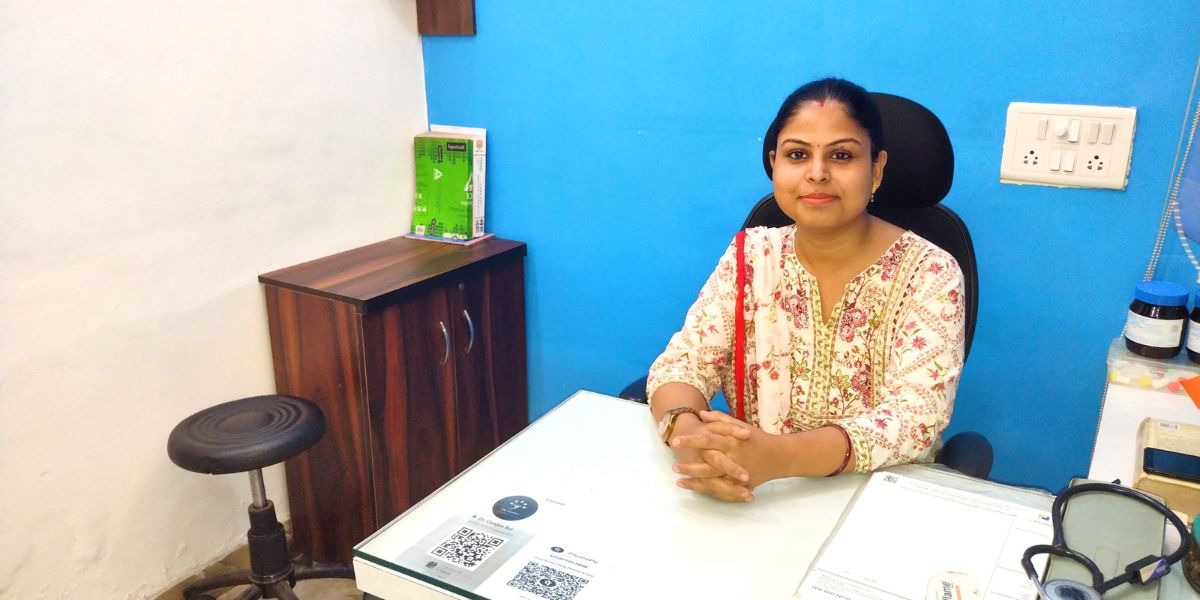
If you are looking for trusted, evidence-informed homeopathic treatment in the Delhi-NCR region, Dr Gunjan Rai provides comprehensive, personalized care tailored to individual patient needs.
About Dr. Gunjan Rai
With extensive clinical experience in treating complex chronic illnesses, Dr Gunjan Rai is widely recognized as a compassionate and thorough practitioner. Her patient-first approach combines detailed clinical intake, lifestyle analysis, and precise remedy selection to achieve optimal health outcomes.
Clinic Location & Accessibility
For patients searching for the best homeopathic doctor in Ghaziabad or a top-rated best homeopathic doctor near Noida, expert consultation is conveniently accessible:
- Location: Shipra Suncity, Indirapuram, Ghaziabad
- Service Areas: Indirapuram, Vaishali, Vasundhara, Noida, East Delhi, and surrounding regions in Delhi-NCR.
Whether you are searching online for the best homeopathic doctor near me or seeking specialized consultation for long-standing health concerns, consulting a dedicated clinician like Dr Gunjan Rai in Indirapuram, Ghaziabad provides a reliable step toward natural recovery and lifelong vitality.

Written by Dr. Gunjan Rai, BHMS, MD (Homeopathy) – a trusted homeopathic doctor with 13+ years of experience and 10,000+ patients treated. She completed her BHMS from Nehru Homeopathic Medical College (Delhi University) and MD from West Bengal University of Health Sciences. Dr. Rai has served in reputed government hospitals including GTB and JPC, and was a research fellow at the Central Council for Research in Homeopathy. Her clinical expertise covers chronic diseases, allergies, hormonal imbalance, skin and hair concerns, pediatric health, and women’s wellness. She has also published multiple research papers in reputed journals, combining scientific rigor with compassionate care.